Learn how to shift advising so students lead their own postsecondary journey.
How to Help Students Adjust to College
The transition from high school to college marks a pivotal moment in a student’s educational journey. For many, especially first-generation students, it can also be overwhelming. As educators, we play a crucial role in helping students navigate that shift with confidence. From fostering independent learning habits to preparing them emotionally for a new environment, there’s so much we can do before they even set foot on campus. This guide offers practical tips, helpful resources, and key insights to support students through a successful first year of college.
Table of Contents
Key Takeaways
- The first year of college is critical. It influences academic performance, retention, and long-term degree completion, especially for first-generation students.
- Cultural mismatch and social isolation are real barriers. Helping students find their fit and build support systems on campus can prevent disengagement and self-doubt.
- Programs like OneGoal and others provide structured support. These help students evaluate their options, prepare for independence, and build community.
- College readiness starts in high school. Teaching time management, self-advocacy, and soft skills prepares students for the realities of college life.
- Consistent guidance matters. Encouraging orientation attendance, engaging in campus life, and connecting with professors and advisors can all improve outcomes.
Why the First Year Is So Important
The first year of college can feel like a “make or break” year, but it is largely true that the success a student encounters their first year lays the foundation for an even more prosperous time in college, and many of the struggles that students face their first year can often be remedied by multiple support systems.
Much of a student’s success and completion of college can be determined by whether or not they adapt to the unfamiliar campus structures. But colleges are not neutral gateway institutions, they promote culture-specific norms for how to think, feel, and act. When students realize that meeting cultural expectations is a major challenge for them, or they struggle with meeting academic rigor, distress takes the form of isolationism, poor health habits, poor mental health, imposter syndrome, and an overall feeling that they do not ‘fit’ into their new community.
Common Challenges
of First-Year Students
Students face the danger of social isolation: separating oneself from the communities and supports they have on campus. They also face challenges with academic work, like meeting the rigor of college courses or finding time to balance multiple readings or assignments at once. Engaging with social groups, clubs, and extracurriculars, especially for students who are commuters, English learners, or students unfamiliar with college life, can be a major barrier as well.
Another major concern for first-year students is “cultural mismatch,” which is when an institution often privileges cultural background, knowledge, and experiences, which can lead students to become uninvested in campus clubs, organizations, class participation, or peer interactions on campus. Colleges have the responsibility to value and include different cultural capitals, but students should be prepared to enter very different settings than ones they were used to in high school.
This is concerning for our students because it is very common for students to enter a self-enforcing cycle of not asking for help when disengaged or under-performing, and they continue to feel like they don’t belong. Students must increase their familiarity with the campus and increase socialization on campus. A student’s ‘fit’ within a school can grow over time.
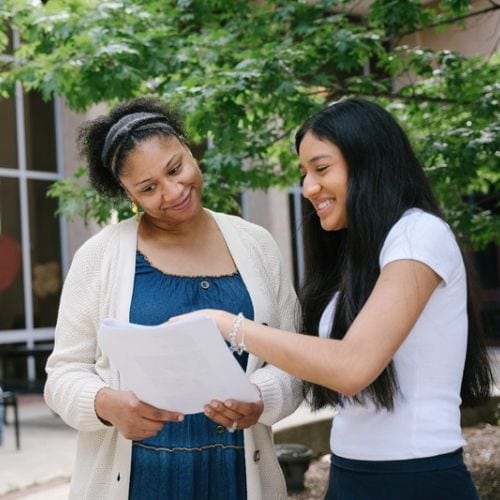
Students can become more engaged on campus through class participation, being part of social clubs, and through their interactions in residence life or peer interactions on campus. Students should begin to turn to their new community for help when needed; that is a part of independence, leaning on new support systems as they replace old ones.
OneGoal’s Quality Enrollment Framework is a great example of how to help students evaluate their postsecondary options. It is designed to empower students to explore these options through a critical lens. Helping students choose the right pathway that fits their unique personalities and goals can be a strong lever in supporting them to graduate.
How to Incorporate College
Readiness in Your Curriculum
During High School
Students can find college preparatory courses to take over the summer, or dual enrollment classes, such as ones offered by City College of Chicago, that give them a feel for what a college course looks like as well as provide them with general education credits. Students can also enroll in specific multi-year programs sponsored by local colleges and universities to establish a pipeline of incoming college students who are most prepared to prosper in college programs. Many of these programs are career or major-related, like the University of Illinois at Chicago’s Medicina Academy Apprenticeship Program (MAAP), which provides several years of college and medical preparation for Hispanic students in Chicago.
Finding Programs that Go the Extra Mile for Student Retention
Higher education is not always responsive to the needs of all groups, including English learner students, students from low-income homes, or students from different cultural backgrounds that may not represent the “dominant” cultural background of the school. Programs like Trio, Posse, or first-generation programs like North Central College’s Cardinal First, which I was involved with during my time at North Central, provide students with an in-group community to rely on to share their college experience so they don’t have to face common struggles on their own. Programs that have a required meeting obligation often lead to more involvement and better relationship building.
How to Prepare Students in Class
So much of what we do as educators prepares our students for success after high school. Assignments or projects that require students to create a timeline to plan out their work in chunks are a helpful skill builder for the type of independent work they will be doing in college. Teaching soft skills like communication, collaboration, and problem-solving will surely come in handy as well, as mentioned in our blog post The 5 Must-Have College Readiness Skills.
Among the most useful skills to teach are self-advocacy and resilience. Students should be ready to attempt a task multiple times, regardless of whether they failed the first or second time. They should seek to find solutions on their own, even when it is not easy. When available, students can advocate for themselves and seek support when trying things on their own doesn’t work. But they must try on their own first. Promoting class participation is important to get students in the habit of sharing and asking questions naturally to better understand the content.
How Educators Can Provide Strong Support
Before and After Students Graduate
Small actions—like helping students understand campus resources—can make a big difference.
The Importance of Orientation
Orientation is a must. It provides important foundational knowledge, such as steps for enrollment and course selection, and information about financial aid, paying student fees, and tuition. It is an excellent time to become familiar with the campus and locate important resources or school buildings. The time I spent as an orientation leader at Saint Xavier University taught me another important role of orientation, which is making those first human connections that establish how to interact with people on campus. It breaks the tension of walking into an unfamiliar community the first week of classes and can often result in meeting new friends.
Engagement for Students On and Off Campus
For students living on campus, instill in them the importance of getting to know the people they will be interacting with on campus, which includes resident assistants, roommates, and students who are commuters.
For commuting students, becoming familiar with school basics like parking areas, transportation options, and any commuter events the school offers, is very helpful. I learned from my time spent as a commuter that it is very easy to isolate yourself from the larger community, so emphasize getting to know other commuters, planning your commute time around your classes, and getting involved with campus events or even working on campus to increase the amount of time students spend on campus. Many schools have pages on their website dedicated to commuter information and helpful resources, like this page from Dominican University.
When experiencing homesickness or loss of belonging, students shouldn’t turn to isolation. They should make a place for themselves where they are and learn to lean on new supports and people. When the old support systems of students fade away, like a high school teacher, coach, or counselor, for instance, we want our students to recognize that there are new supports in place for them, and we should encourage them to lean on these new supports.
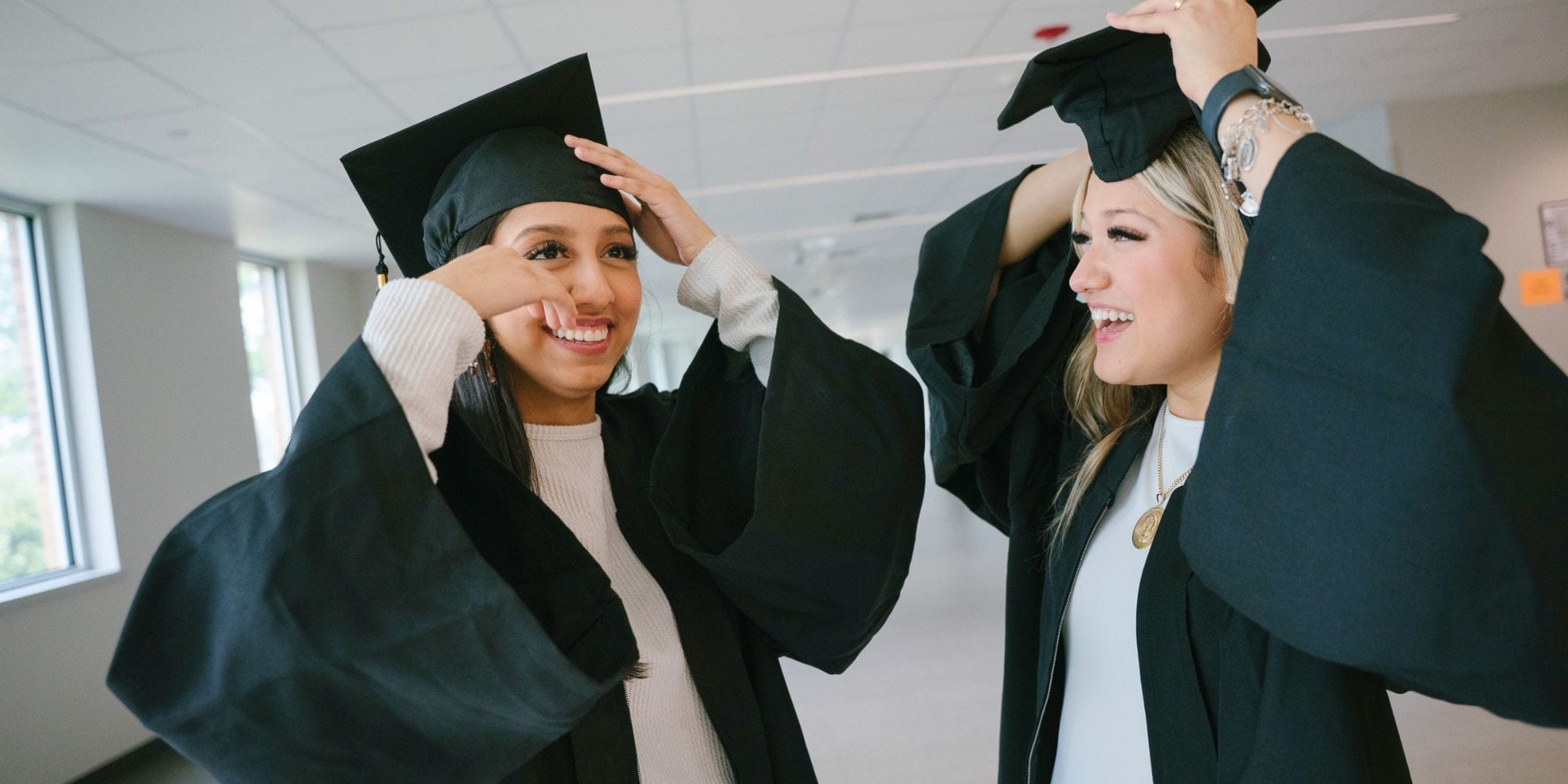
Staying Forward-Thinking When Making Decisions About a Major or Career
Speak about your own college experience when discussing when to declare a major. Explain to your students that you can’t rush what takes time, and to continue to take classes in what interests them. Taking a variety of general education courses that interest them is useful, as many people will never have the option to choose a variety of interesting classes again. These classes might introduce you to something you are passionate about and skilled at. It should be noted that the longer students take to decide on a major increases the likelihood of taking longer than four years to complete a degree.
Class Preparation
The preparation for a college class is very different from a high school one. One way to teach about preparation for a class is to pull an old class syllabus to show your students. Walk through how to read it, highlighting what books you will need, when to have readings done by, future assignments and due dates, and general class topics, and gauge the class rigor. Knowing the amount of work you will need to do for each class can make it easier to decide what class to drop if a student finds themselves in that situation. Students should know all due dates for assignments and should not expect their professor to remind them. Preparation doesn’t end there. Have students plan out the time they will work on assignments for each class, and explain that all of this work has to be self-initiated.
Building a Schedule
The independence of making your own schedule and choosing your own class and work time is rarely afforded in our work culture. Our students may never again have this type of work freedom, so they should take advantage of scheduling when they want to take their classes and when to do school work, finding a routine that makes them their most productive while taking time to rest and balance any other personal or job obligations. For commuting students, scheduling all their classes on the same days may be a wise option. Some semesters, I would have only Tuesday and Thursday classes, so I could spend the rest of the week at home finishing my work.
It would be ideal for all students not to work while focusing on their studies. According to the Bureau of Labor Statistics, 44.3% of college students held employment during 2024. It may not be possible for students not to work, but continue to stress the importance of working as few hours a week as possible. Advise students to wait until after the first few weeks of class before taking on extra hours at work, since the rigor of the class should be the priority.
Going to class. Doing well in college isn’t just about attendance. Students may have constructed the illusion that going to class every day will guarantee a high grade because it has worked that way in high school. Students are paying for the courses they are taking, so they should approach the content they learn in class and the guidance and expertise of the professors as an investment in their life and future career.
Meeting with professors. Building strong professional relationships is a sign of adulthood. We want our students to advocate for themselves, and that can more easily happen when connections are made. During a student’s time in school, professors can quickly become an advocate and a mentor, possibly even stepping into a role we once filled.
Students Should Know Their Academic Advisors
Advisors will be a student’s main point of contact for any academic-related questions. They can inform students on course requirements and degree and major requirements. Advisors can also help them plan their courses over the next four years. They can also give valuable insights from past students on selecting a major, what to do in the event of course conflicts, adding or dropping courses, and deciding on a minor.
Study and academic support resources on campus. Review the academic supports available to students. Colleges offer academic tutoring, teacher assistance in the form of office hours, writing centers for students who need to improve their academic writing, resume workshops, and study halls. Many schools also have an office of career services to help students find employment or internships. Even getting familiar with the school librarians when it is time to do research can be extremely helpful.
Setting Students Up
for Success
Helping students transition to college successfully isn’t just about encouraging them to enroll, it’s about equipping them to thrive once they arrive. From building independence and self-advocacy skills to preparing students for cultural and academic challenges, the work educators do in high school can have a lasting impact on students’ college success. The first year sets the tone, and your support can make all the difference in helping students feel confident, capable, and connected as they enter this new chapter.
Q&A
What are the top challenges first-year college students face?
Engaging with new people in class (professors, classmates, faculty or people on campus), self-discipline when planning and doing school work, homesickness, meeting academic rigor, and knowing how to ask for help.
How can I help students find financial aid?
Most schools will have a page on their website dedicated to scholarships provided by the school. Students can also find scholarships on websites like Fastweb, Scholarships.com, Niche, and Scholly offer vast databases of scholarships and can filter results based on a student’s criteria.
How can I support alumni if I’m no longer their teacher?
Try hosting virtual check-ins, creating an email chain of interaction with the student to easily retrieve old messages that may be useful for your students, or creating alumni groups to stay connected.
How can high school teachers prepare students for college?
Teachers can assign projects that require students to plan their work in stages and teach communication, collaboration, and problem-solving. Modeling self-advocacy helps too: students should try on their own first, then ask for help when they need it.
What programs help first-generation students succeed in college?
Programs like TRIO, Posse, and school-based first-generation programs give students a community to lean on. Those with required meetings tend to build stronger relationships and more involvement.
David Soto has been a Chicago resident his entire life. From being a Chicago Public Schools student, to attending both Saint Xavier University to the University of Illinois at Chicago, David has always been deeply devoted to Chicago. He is currently teaching high school history in the IB program and is a OneGoal Program Director at Prosser Career Academy. He sponsors and leads the Student Voice Committee at Prosser, which continually inspires him as a community member.
Related Stories
High schools should shift to a whole-school “Guidance Culture” with postsecondary planning in everyday lessons.
The academic middle students represent the greatest opportunity for growth in postsecondary readiness and long-term persistence.