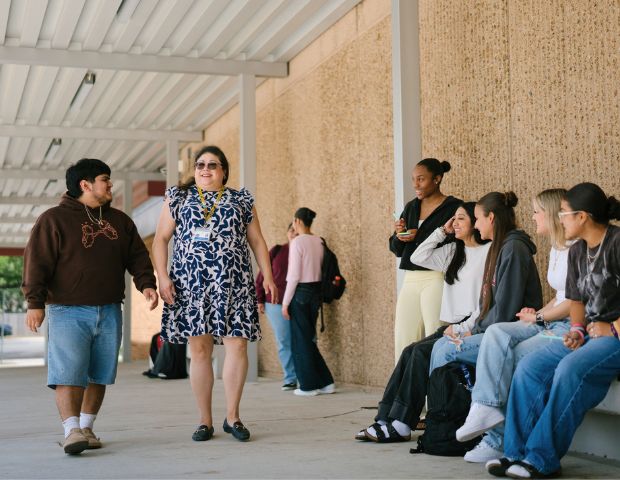
The academic middle students represent the greatest opportunity for growth in postsecondary readiness and long-term persistence.
From Guidance Office to Guidance Culture
High schools should shift from relying on a single counseling department to a whole-school “Guidance Culture” where core-subject teachers weave postsecondary planning into everyday lessons. With support from AI tools and partners like OneGoal, teachers can turn into mentors and give every student consistent, daily support toward their future.
Key Takeaways
- One overwhelmed department can’t carry postsecondary planning alone. With a 400:1 counselor-to-student ratio, the average student gets just 38 minutes of college and career advising a year.
- Move from a Guidance Office to a Guidance Culture. When every adult owns student futures, first-generation and low-income students stop falling through the cracks.
- Teachers are your greatest untapped resource. A counselor sees a student twice a year; a classroom teacher sees them 180 days — enough to catch a confidence drop early and keep them on track.
- Let AI lift the load, not add to it. Writing platforms, financial aid calculators, and quick career prompts let teachers guide students without extra prep.
The Current Model
Day after day, high school counselors pour their hearts into guiding students through some of the biggest decisions of their lives. They hold an incredible amount of influence over where these young people end up, carrying a heavy and deeply important responsibility. As a OneGoal teacher for over ten years, I still receive phone calls from former students asking for guidance on their careers or higher education. It is an essential role that impacts lifelong success. But under our current system, we are asking counselors to carry an impossible weight alone because the traditional model of postsecondary planning relies almost entirely on a single department.
Gaps in College and Career Advising
According to the American School Counselor Association (ASCA) data, the national average counselor-to-student ratio is approximately 400:1. When you break that number down against a standard school calendar, the reality is shocking:
- The average high school student receives roughly 38 minutes of college and career advising per year.
- Counselors are routinely buried under massive workloads, so they must spend time on crisis intervention, schedule changes, and paperwork.
- Deep, individualized career exploration becomes a luxury, and counselors simply do not have the time to provide it.
School counselors face an overwhelming daily workload and this intense strain hurts student outcomes. Far too many schools rely entirely on this department for postsecondary planning. Students routinely lose out on critical opportunities because this approach creates a bottleneck. Ultimately, some students can miss life-changing paths during the most important milestone of their high school careers. So how can school communities collectively help?
Defining the
Whole-School Advising Model
If we want to close the opportunity gap, we have to change the school climate. Schools must move from a centralized Guidance Office to a Guidance Culture.
First-Generation Student Challenges
When postsecondary planning is trapped in a centralized model, first-generation students and students from low-income communities are the first to fall through the cracks. These students often do not have college and career guidance at home, so they rely completely on school resources to navigate their future. Unfortunately, an overwhelmed guidance office simply cannot provide the deep, sustained support these families need. If school districts know this gap exists, it is our job to step in and support not only our counselors, but our students.
To fix this inequity, school leaders must stop treating college and career readiness as a checkbox and separating this work away from the classroom. Instead, principals can embrace a mindset of shared leadership. They can trust core-subject teachers to lead short advisory moments, and leaders can intentionally pass some critical milestones to the teaching staff. This change can lift the workload off the counseling department. This will help with staff from burnout, but most importantly, it ensures that our students get the daily, consistent support they deserve.
The Impact of Classroom Teachers
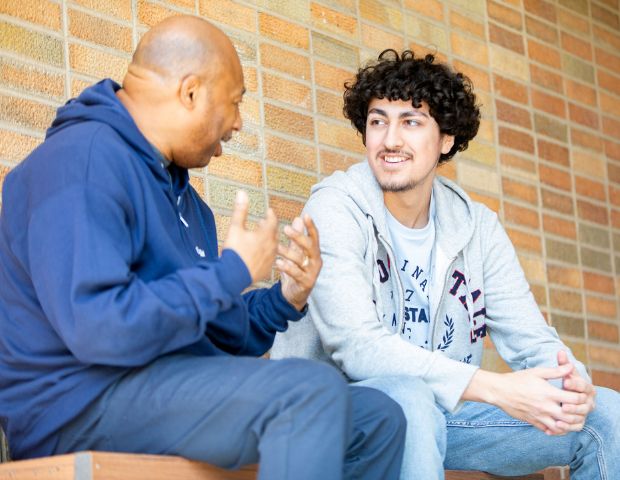
A school counselor might only see a student twice a year, but a classroom teacher sees that exact same student about 180 days a year. Because of this daily proximity, schools can provide every student with consistent guidance toward a sustainable path. Teachers see their students every day, so they notice right away when a student’s confidence drops. They can easily offer encouragement and keep students on the right track. This capacity to build deep, daily connections transforms postsecondary preparation from a stressful annual checkpoint into a natural, ongoing conversation.

Core Teachers as Mentors
Schools can equip high school teachers as mentors by integrating postsecondary planning directly into core coursework.
In English language arts (ELA) classes, teachers can add career exploration into daily lesson plans starting at the freshman level and into senior year.
- Personal Narrative Units: Teachers can use postsecondary application personal statements or scholarship essays as their core narrative writing units.
- Informational Text Standards: Teachers can have students research various career paths, trade applications, or data on the labor market.
- Mock Interview Cover Letters: Students can draft professional cover letters and resumes.
Mathematics teachers can similarly use real-world postsecondary data to make abstract math concepts feel real and relevant to students’ lives:
- Practical Algebra and Statistics: Teachers can use college, trade school, or budgeting as a hands-on application of linear equations and data analysis.
- Analyzing ROI (Return on Investment): Students can calculate the true return on investment for different degrees, technical certifications, and career tracks.
- Compound Interest and Student Loans: Students can calculate the long-term impact of compound interest on student loans, car loans, and savings accounts.
- The “Cost of Living” Matrix: Students can calculate and compare the total cost of living (rent, groceries, taxes, utilities) across different cities based on starting entry-level salaries.
- Probability of Job Market Trends: Teachers can use local employment statistics to teach probability and data distribution. Students can calculate the likelihood of finding employment in various fields over the next decade.
Some classrooms already do this work, but teachers must explicitly highlight to students how these lessons provide postsecondary support. This integration should never disrupt classroom instructional time; instead, it should emphasize the long-term benefits of postsecondary success. Teachers are not experts in this field, but introducing students to key terminology and foundational concepts early on can give counselors more time to provide deep, individualized advising.
OneGoal
OneGoal equips teachers to become high-quality advisors and help students successfully embark on their postsecondary journeys. This model completely removes the guesswork for busy educators. As a OneGoal Program Director, this coursework is integrated into my day, and it offers step-by-step guidance to support my students without sacrificing valuable instructional time. The most important part is having time to advise my students without feeling overwhelmed or rushed.
AI for the
Whole-School Advising Model
Rather than adding “one more thing” to a teacher’s plate, AI can support postsecondary preparation in the classroom. Integrating artificial intelligence into a whole-school model allows core-subject teachers to provide college and career guidance without adding to their daily workload. This technology can give personalized feedback and/or real-world math applications that schools can include into postsecondary readiness.
- AI in the English Class: Teachers can use AI-driven writing platforms like Grammarly or Class Companion to help students refine their postsecondary application personal statements and scholarship essays.
- AI in the Math Class: Educators can bring abstract financial concepts to life by introducing students to AI-powered financial aid calculators and interactive “Net Price” tools.
- AI for Teacher Efficiency and Warm Handoffs: Teachers can save hours of prep time by using generative AI to create quick “Career of the Week” warm-up prompts that connect daily lessons directly to growing industries.
When used responsibly and in alignment with school and district policies, AI serves as a powerful resource for teachers. It allows them to naturally integrate college and career readiness into existing classroom activities. This technology handles tasks like generating prompts or tracking initial essay drafts, so postsecondary support feels like a helpful tool rather than an extra lesson.
From Guidance Counseling
to Guidance Culture
When we bring postsecondary success work into the classroom, it transforms into a shared mission. This shift is how we build a true Guidance Culture, creating a school where every adult knows and supports each student. This whole-school model acts as a direct attack on the opportunity gap. Students without postsecondary support at home cannot rely on a 15 minute counseling appointment, so they must see their future possibilities reflected in every classroom they enter.
School leaders can begin this vital cultural shift by taking a simple step. You can start small by launching a ten-minute career spotlight in morning homerooms, or you can pilot a brief training session for a single grade-level team. Schools can have counselors create goals and share with core teachers. This would create a culture of shared success.
If schools want to scale this impact across the entire building, explore how OneGoal provides the foundation, curriculum, and training to turn math and English teachers into mentors without the burnout.
Motivation for Students
The reality is that schools hold counselors accountable for vital milestones throughout a student’s high school career, and ideally, this is exactly what counselors would do. However, with overwhelming student-to-counselor ratios, this model causes severe counselor burnout and does a disservice to our students. For students to truly succeed, they need to feel the support of the entire school community, not just one overworked department. Teachers also carry a heavy workload, but if the whole school shared a unified focus on postsecondary readiness, it would relieve the pressure on everyone. The most important benefit is how the students would feel: they would know that everywhere they look, the entire school is rooting for their future success.
FAQs
Won’t helping students with college and career prep take away instructional time from core subjects?
No. It’s about integration, not addition. Writing an application essay is an ELA standard. Calculating interest rates on student loans is a math standard. The goal is to highlight the college and career connection in existing lessons, not add new ones.
How do we get buy-in from teachers who feel they are already doing enough?
Focus on the Relational Why. Most teachers entered the field to change lives; helping a student secure their future is the ultimate fulfillment of that goal.
Does this mean our counselors are less important for advising?
Quite the opposite. It allows counselors to function as Postsecondary Strategists, handling complex cases while teachers handle the baseline mentorship.
Can AI tools replace the need for teacher training in this model?
AI is a tool, not a replacement. It handles the data, but the teacher provides the human nudge that keeps a student motivated.
What is the first step a Principal should take to start this shift?
Audit your current Readiness Culture using a tool like the OneGoal Postsecondary Readiness Rubric to see where the gaps are.
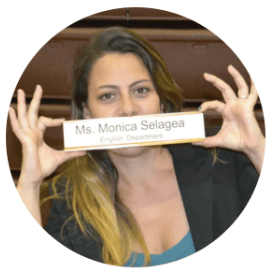
Monica Selagea grew up in Chicago and attended Columbia College in Chicago and DePaul University. She is currently a high school teacher in Chicago and a Program Director for OneGoal. She also teaches at the City Colleges of Chicago.
Related Stories
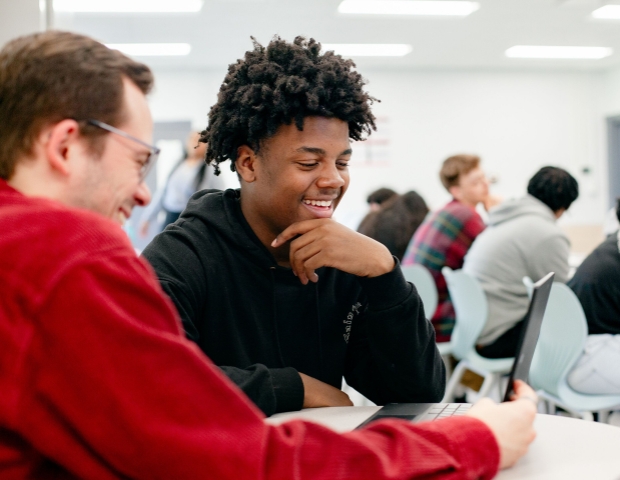
AI is quickly changing how students learn, plan, and explore their futures, offering new tools for career discovery, academic support, and accessibility. When students use AI tools with guidance from educators, these tools can deepen engagement rather than replace critical thinking.
In this blog, we will explain the moving parts of financial award letters, while offering tips on how to better understand a financial award letter so students and their families can make more informed decisions about college financing.