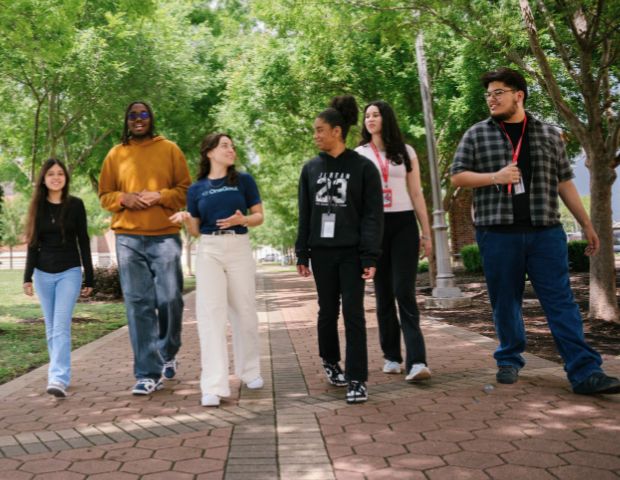
College tours can inspire, inform, and equip students for their postsecondary journey.
Why the Academic Middle is Your Biggest Growth Opportunity
High schools often focus resources on the top 10 percent or the bottom 10 percent of students. This post argues that the “academic middle” students, typically those with GPAs between 2.0 and 3.0, represent the greatest opportunity for measurable growth in graduation rates, postsecondary readiness, and long-term persistence. This blog will argue that principals and district leaders should prioritize structured high school postsecondary support for this cohort.
Table of Contents
Schools and educators are constantly evaluating their priorities. With limited resources and competing needs, there is always a discussion of best practices and where to focus our attention. This dilemma naturally draws attention to students with the highest chances of academic success–students in AP, honors, CTE, dual enrollment, or IB courses, and students with the most need–those failing or struggling in multiple classes, students in credit recovery, or students near dropping out. When focusing on the lowest and highest performing students, it has been common in my experience to neglect the opportunities that are present in the academic middle, the students who are passing classes with grades averaging Cs and low Bs, and meeting all the graduation requirements. The academic middle represents the most scalable, measurable growth opportunity for schools focused on postsecondary success.
Key Takeaways
- The academic middle is your biggest untapped opportunity. 2.0–3.0 GPA students rarely get targeted support, so they offer the most room to grow.
- Small shifts create outsized gains. One dual-credit course can mean roughly $1.2 million more in lifetime earnings for a 2.5-GPA student.
- Start GPA-aware advising in 9th grade, so students grasp what each grade unlocks before the window closes.
- Supporting the middle closes the opportunity gap, since first-generation and low-income students often land in this band.
- Watch the GPA trend, not just the grade. A term-over-term drop is an early warning you can reverse.
Risks and Opportunities
The academic middle is a high-stakes group because they are qualified for college but are at the highest risk of receiving the least amount of academic scholarships, “under-matching,” or dropping out. In 2022, approximately 62% of high school graduates enrolled in college immediately.
A significant portion of these are students in the 2.0–3.0 range who choose 2-year institutions or 4-year public universities. National Center for Education Statistics (NCES) data shows undergraduate students with lower GPAs (closer to 2.0) have a higher likelihood of not completing their degree within six years. Educators’ attention in high school can bridge the readiness gap that causes these students to struggle once they reach postsecondary education.
Small improvements for “middle” students lead to massive lifetime economic gains. According to the Georgetown Center on Education and the Workforce: For a 2.5 GPA student, a nudge towards the successful completion of a 4-year degree (or a high-value certification) represents a $1.2 million difference in lifetime earnings compared to stopping at a high school diploma. Though it may not seem like a major difference when in the classroom or in the daily interactions we make with students, support focused on our middle students can make a substantial difference.
Who Is the Academic Middle?
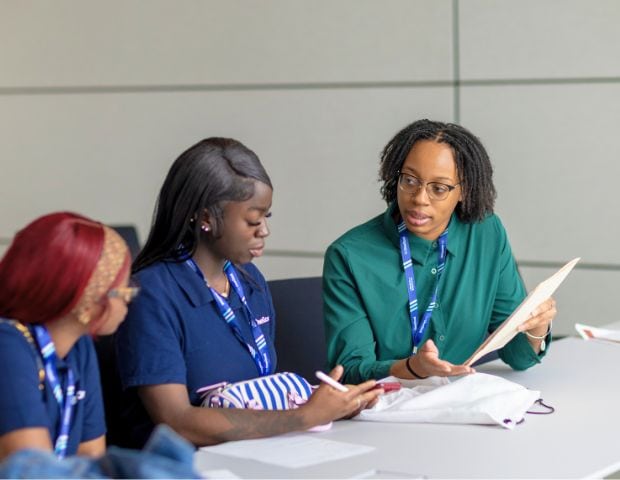
To effectively serve our students, we must first identify the group most likely to fall through the cracks of traditional school improvement models: the academic middle. These are the students navigating the B and C range, typically maintaining a GPA between 2.0 and 3.0. On paper, they appear to be fine—they are consistently on track to graduate and rarely exhibit the behavioral or academic red flags that trigger intensive interventions. Yet, this stability often masks a quiet stagnation. Many of these students are aspiring first-generation, college-bound learners who possess the ambition for postsecondary success but lack the “insider knowledge” to navigate it. Because they don’t require the crisis-level resources of the bottom tier or the specialized attention of the honors track, they are frequently bypassed for rigorous coursework and high-touch mentorship. In the typical high school ecosystem, where resources are often triaged to the highest and lowest performers, the academic middle becomes a ghost demographic—capable of immense growth, yet often left to navigate their most pivotal years without a dedicated roadmap.
Research often highlights that “middle” students suffer from educational invisibility. Studies published via the AMLE (Association for Middle Level Education) suggest that students in the middle grades often disengage because they don’t feel seen by the current system of rewards (which targets the top 10%) or interventions (which targets the bottom 10%). The “Pygmalion Effect” reveals that high expectations lead to improved performance, essentially becoming a self-fulfilling prophecy. This means if teachers raise expectations for academic middle students, their performance often rises to meet those expectations.
Why the Academic Middle
Is the Highest-Leverage Strategy
Graduation Gains Are Most Attainable
- Students in the academic middle are closest to academic thresholds for college and program admissions eligibility, GPA requirements for scholarships, consideration for internships and summer programs, and avoidance of remediation courses in college, which add to the cost of tuition, but provide no credit towards graduation.
- Small shifts in attendance, course rigor, or advising can yield measurable improvements. A single decision, like choosing to take a college-level course or to be more involved in extracurriculars, could set a student on a path with the adequate push to place them over the academic middle threshold.
- A 2020 study in Colorado found that students who participated in Concurrent Enrollment (dual enrollment) were found to be twice as likely to earn a college degree on time or early compared to their peers who did not take college courses in high school.
Postsecondary Enrollment Is Highly Influenced at This Level
- Many students in this band enroll in college but struggle with persistence. Students who have always been on-track to graduation in high school often find it a surprise when they realize their secondary education experience didn’t prepare them as well as it could for higher education.
- Structured advising can significantly change outcomes. Advising that focuses on building GPAs as early as 9th grade can set students on the right path. I’ve made it a point to teach every 9th grader how to calculate their GPAs by the end of the first quarter, so they know the implications of receiving an A versus receiving a C on their GPA.
- Advising can also include strategic course prep and selection so students can take classes in what interests them, but also prepares them for later coursework they may face in a postsecondary institution.
The Opportunity Gap
- It is common for first-generation students and students from low-income communities to fall into the academic middle. This presents an opportunity for educators to focus support on navigational knowledge, discovering and developing transferable skills, and building aspirations to provide some sort of vision for their lives after high school.
- Supporting this group advances both academic excellence and the closing of the opportunity gap. Only 24% of first-generation students graduate with a degree within six years, compared to 59% of students whose parents have a degree. Strategic support for the academic middle aids in reducing these barriers.
The Cost of Ignoring the Middle
- Students graduate without a clear plan. Clarity makes a world of difference by aligning a student’s skills and aspirations with the right pathway, but it also promises higher persistence rates in postsecondary institutions. OneGoal’s Quality Enrollment framework is applicable to all students no matter the GPA range, and works to give clarity to a student’s plan after graduation.
- Less certainty when it’s time to enroll. A clear plan builds self-efficacy, but when a student hasn’t thought through or doesn’t believe themselves to be prepared for what they will face in the near future, there is a higher chance they choose not to enroll come the fall term.
- Enrollment without persistence. There are ample opportunities for students to receive more academic support for post-secondary rigor. I constantly remind my students they are building academic and personal endurance as they face productive struggle in school. As they face more challenging obstacles, they tap into their brilliance.
- Closing off opportunities. When it comes time to apply for scholarships or to be considered for honors programs or summer and internship opportunities, students quickly realize they are limited when their GPA doesn’t stand out.
What Structured
Postsecondary Support Looks Like
Dedicated Postsecondary Planning Time
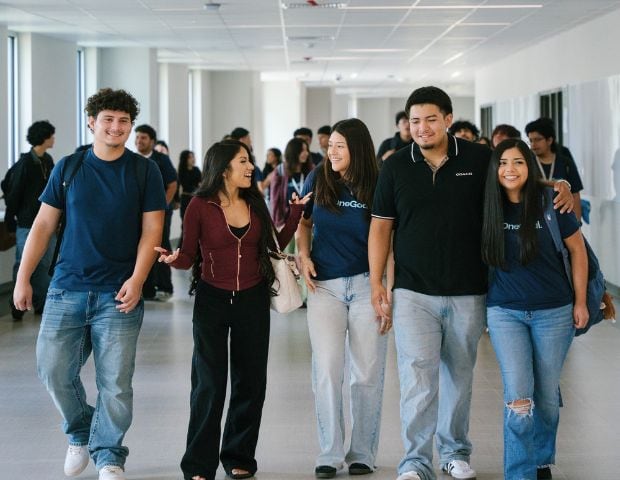
- Advising can fit in many places. A dedicated advisory period works best, but embedded advising in coursework serves the same purpose. OneGoal’s dedicated 2-year advising before graduation gives exceptional attention to postsecondary planning, which will be discussed later in this blog, but similar planning can be integrated as part of classes, especially in the form of Social Emotional Learning. Some teachers may not feel prepared to implement full-on postsecondary planning, but they can help students with the earlier necessary work, such as mapping their values, identifying and building their skills, encouraging them to ask the “why” questions about their goals, promoting goal-setting, even small ones, and finding ways to regulate stress. Teachers can also help by encouraging students to find trusted adult mentors, especially those who went through a similar schooling to what students are interested in. Teachers should also never underestimate the power of modeling routines or implementing executive decision-making in the curriculum.
- Milestone tracking becomes essential in the junior and senior years of high school. Applications to colleges or certificate programs, completion of FAFSA, and early career exploration are all major milestones that should be anticipated and adequately reflected on. Many states require a dedicated FAFSA advisor, and these often take the form of school counselors. Postsecondary leadership teams take the lead on many of these major benchmarks, but collaboration with teachers across grade levels is extremely helpful.
- Integrating career research in your curriculum. By integrating career research directly into our curriculum—whether through subject-specific skill mapping or career pathway research—we transform abstract future goals into tangible, classroom-linked activities. By utilizing these strategies to highlight multiple pathways—from four-year universities to technical apprenticeships—we not only empower our students to graduate, but we also give them the next steps to take on their unique paths.
GPA-Aware Advising
- GPA means money, something a fellow OneGoal teacher is always saying to our students. Early on, the importance of GPA should be reinforced. Emphasize not only the importance of a strong GPA, but also the brackets for attending schools from very selective to two-year colleges and trade programs.
- Access to scholarships, internships, and summer programs is an easy way to reinforce GPA strength. This can be done as easily as promoting local program opportunities and focusing on the requirements for the programs.
- Conversations should revolve around attainability and short-term academic growth goals: how much can you grow by the end of the quarter, and what actionable steps can you take this week, or even right now?
- Frequent check-ins with students about their work and their attitudes towards school can keep students on track and remind them that they are supported. This isn’t necessary for all students, but for students who need more encouragement, it can go a long way.
- Focusing on high-value assignments if struggling to make up work in classes.
- Practicing teacher-student interactions to promote advocacy for the students. Even helping students draft emails to teachers models advocacy.
- This can be embedded in the larger school community. A common language, a common knowledge.
Rigorous Course Access with Support
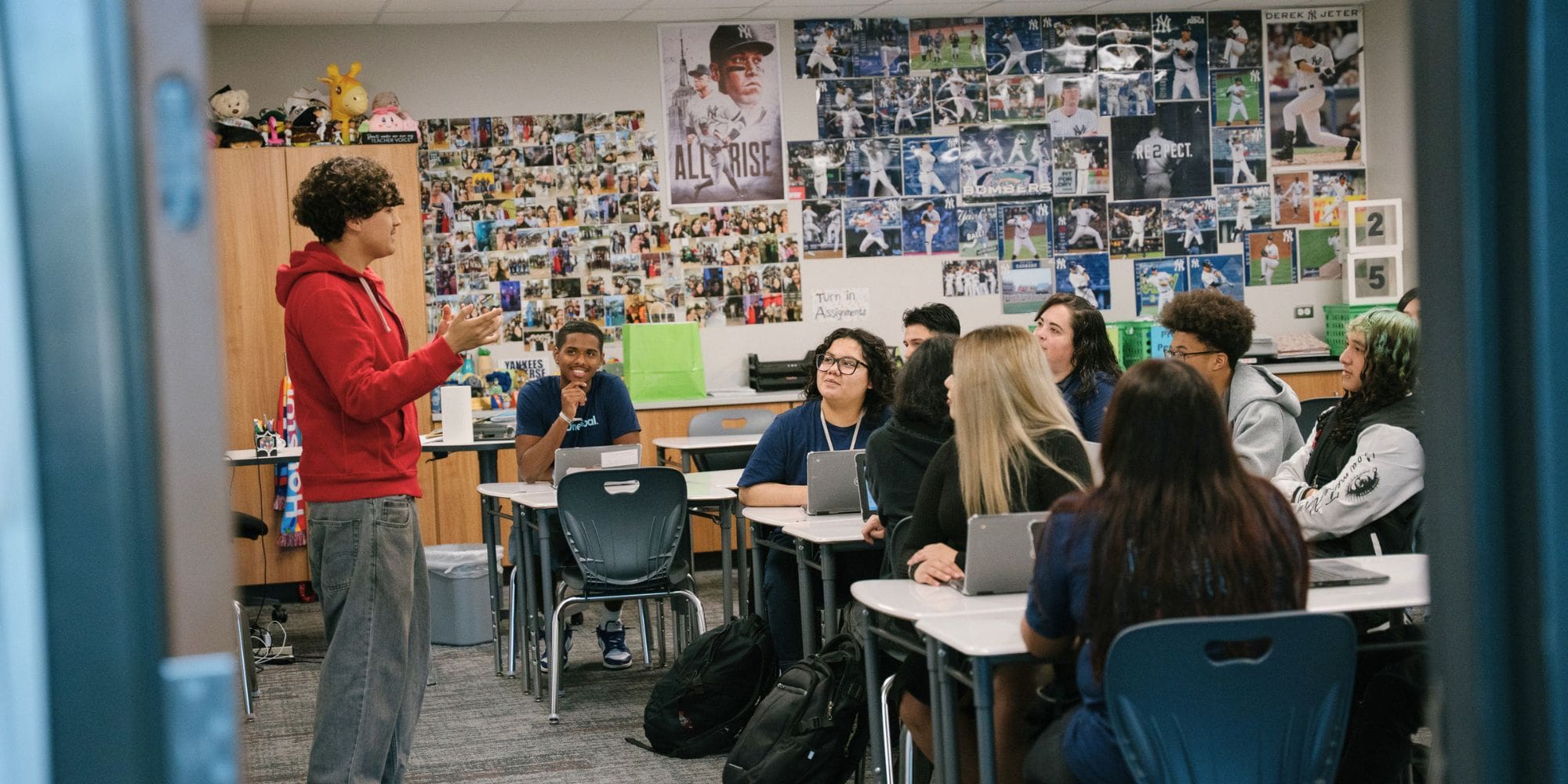
- Balancing the rigor. If students are struggling in accelerated courses or if they are not feeling pushed enough in regular courses, a small shift in the schedule can set students on a path they feel is right for them.
- Encouraging dual enrollment or advanced coursework with scaffolding. One of the biggest hurdles for 2.0–3.0 GPA students is being placed in non-credit “remedial” courses once they get to college, which costs money even when it earns students no credit towards graduation. Taking college-level courses in high school decreases the likelihood of students needing remedial courses in college.
Data Monitoring: Finding Clarity in the “Murky Middle”
Tracking long-term student success—enrollment, persistence, and post-graduation credits—is a monumental task that often exceeds a school’s bandwidth. Even at the collegiate level, advising departments are frequently stretched to their limits. However, research from the Murky Middle Project offers a streamlined way to identify high-risk students before they slip through the cracks.
The project’s most significant takeaway is the “term-over-term GPA trend.” Contrary to the belief that dropouts are always low-performers, data shows that many students who eventually leave school maintain a first-year GPA between 2.0 and 3.0.
The research highlights a critical window for intervention:
“Perhaps our most important finding was that these downward trends began several terms before the term of departure. This suggests that downward-trending GPA could be used as an early indicator to intervene with high-risk students well in advance of dropout.”
Crucially, these downward trends are typically driven by a sudden increase in failing grades (Fs), rather than a gradual decline across all subjects. The data isn’t just diagnostic; it’s optimistic. When students reverse a downward trajectory early—specifically within their first year—they achieve graduation rates comparable to peers who never struggled. By focusing on these GPA swings, we can provide the targeted support students need to get back on track for on-time graduation.
Interventionist Insights
I reached out to the designated interventionists at my school, Sarah Thom and Rebecca Aguilar, who shared a few strategies and insights for supporting students in the academic middle. Among all the advice, these themes stood out.
The more an educator knows a student, the more they understand the student’s specific needs, struggles, and the incentives that work best for them. This is true not just in advising, but in traditional tutoring or in class.
Time should be allotted for students throughout the week to choose their own priorities of what work they need to get done. With structured adult support, students should become experts at independently working on assignments.
Interventionists focus their attention on students struggling the most in school, but what it means to be a struggling student is not stagnant. Ms.Aguilar shared, “The students who come through our doors are fluid; there is no single type of student who needs support.” Students need interventions across the board, and a student who may not have needed help all year may suddenly find themselves struggling in one class or many.
OneGoal in Action
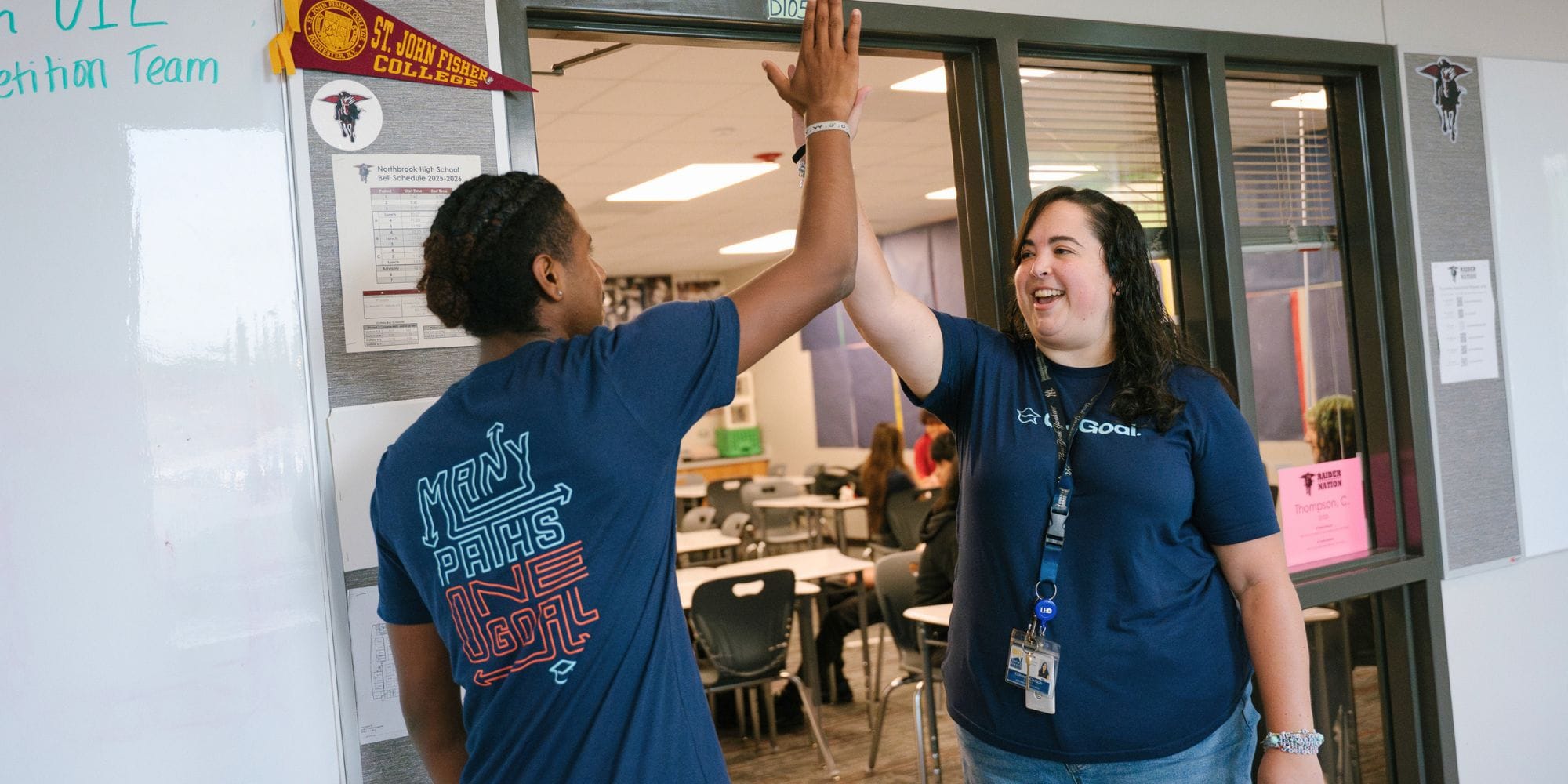
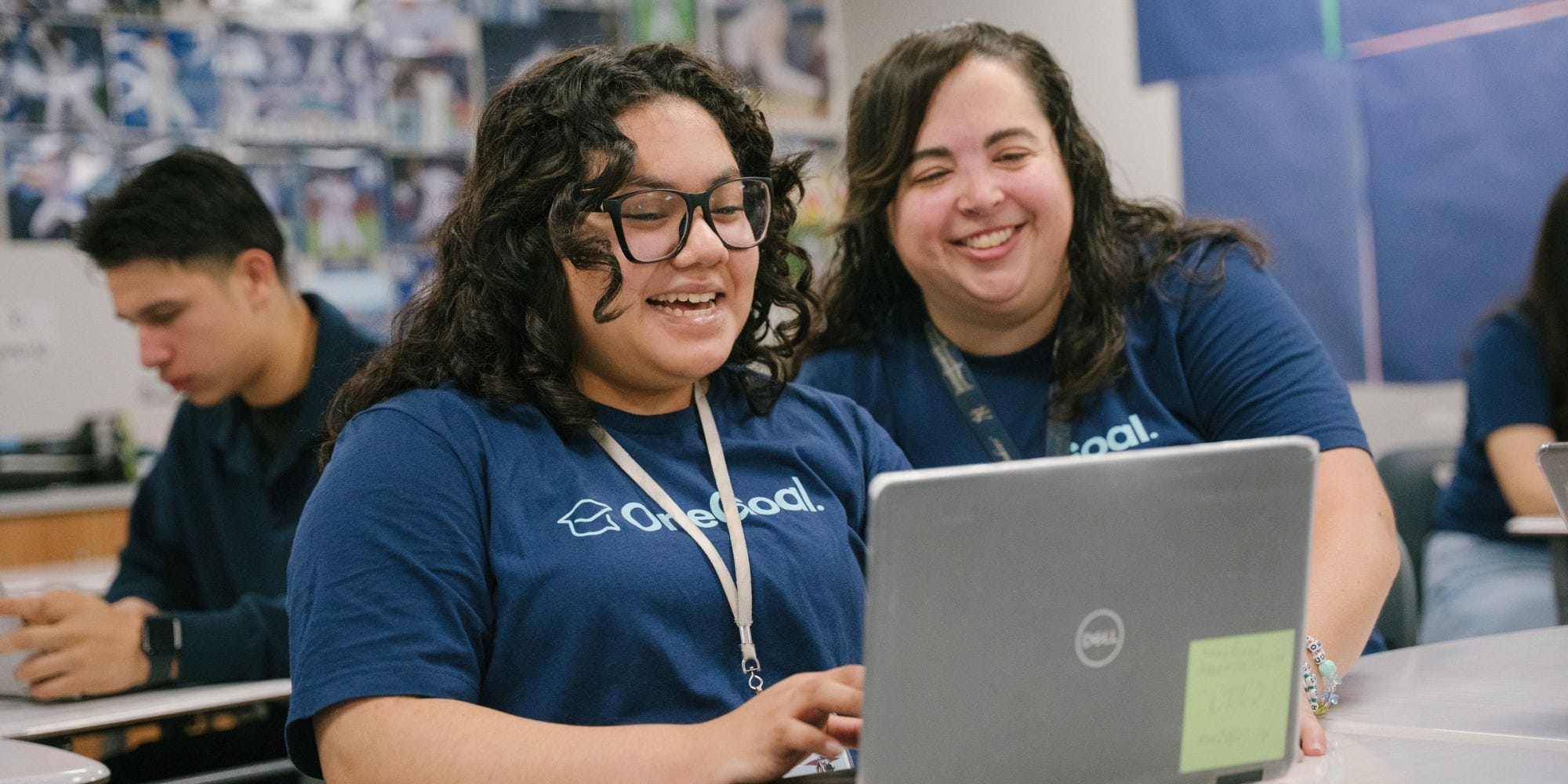
OneGoal’s approach is specifically designed to give the best support for a successful transition from high school into postsecondary institutions and pathways.
- Structured Curriculum: Unlike common college preparation, the OneGoal curriculum is integrated into the school day over three years (junior year through the first year of college). It demystifies the complex world of applications, financial aid, and enrollment, breaking down daunting tasks into manageable lessons, with ample time allotted for students to prioritize current coursework and future planning when they are in need of academic support.
- The Dedicated Advising in Class: The heart of the model is student-mentor advising. Students (Fellows) are paired with a Program Director—an effective teacher already at their school—who leads a daily credit-bearing class. This creates a consistent, safe space for rigorous planning and emotional support with advising sessions focused on academic planning, building professional aspirations, creating a “Best Fit List” and personal statement, and eventually applying, selecting, and enrolling in institutions.
- Milestone-Based Accountability: Success isn’t left to chance. The curriculum is built around clear milestones, such as completing the FAFSA, finalizing a “Best Fit” college list, and securing summer bridge programming. These benchmarks ensure that no student reaches graduation without a concrete, data-backed plan.
- Data Tracking Beyond Graduation: OneGoal doesn’t stop at the high school stage. They track Fellows through their first year of postsecondary education and beyond, using real-time data to identify when a student might be at risk of “melting” or dropping out, allowing for immediate intervention.
Student Strategies
When speaking with a few of my current students, those who struggled with their GPA in their freshman and sophomore years shared a few strategies they used to increase their GPAs to above 3.0 by their senior year.
- Alex, a student whom I taught in his freshman, junior, and senior years, shared that involvement in a specific summer internship with a construction company gave him a passion to dedicate more energy to his classes. The internship was a month-long over the summer that provided Alex with on-the-job experience, mentorship from adults, and even class credit. This type of involvement pushed him to focus more on doing well in classes.
- Another student, Kevin, who struggled a lot in his classes freshman year, said his involvement in Planque LSNA, which is a multi-issue community organization in Chicago, gave him experience working on community issues and being involved in student roundtables with the mayor of Chicago, Brandon Johnson. This experience was a changing moment for Kevin, which, similarly to Alex, gave him more passion towards putting work into his schooling and thinking about his future.
- Jahanni, who defined her freshman GPA as “horrible,” pushed herself to attend math tutoring every week throughout sophomore year. She even said her experience in our school’s WOW (Working on Womanhood) program provided extra emotional support and routine structure that significantly helped her in her classes and provided her with an in-school community that shared similar goals.
- Lastly, Kat, pointed to taking Honors classes and later AP Spanish as well as AP English to boost her GPA. The decision to move from regular classes to Honors and AP was made when she felt she could handle the extra rigor. She also volunteered in Freshman Connection her Junior year. All decisions, in her opinion, are part of a move in the direction of prioritizing her success in high school and beyond.
Q&A
Why focus on the students in the middle with a 2.0 to 3.0 GPA?
They represent the largest student population and the highest potential for improving district-wide postsecondary persistence outcomes.
Does focusing on 2.0 to 3.0 GPA students ignore students who are struggling?
No. It ensures that students who appear fine academically receive structured support before gaps widen after graduation.
What specific classroom supports help mid-level learners bridge the gap between high school expectations and college-level independence?
Middle-performing students often rely on compliance (doing the work) rather than mastery (understanding the process). Educators can focus on mastery-oriented goals as well as seek opportunities to challenge productive students.
Does a 2.0 to 3.0 GPA student succeed in college?
Many enroll but struggle with persistence. Structured advising and planning significantly improve long-term outcomes.
How can districts identify this group?
By analyzing GPA bands, attendance patterns, and course enrollment data to proactively target supports.
David Soto has been a Chicago resident his entire life. From being a Chicago Public Schools student, to attending both Saint Xavier University to the University of Illinois at Chicago, David has always been deeply devoted to Chicago. He is currently teaching high school history in the IB program and is a OneGoal Program Director at Prosser Career Academy. He sponsors and leads the Student Voice Committee at Prosser, which continually inspires him as a community member.
Related Stories

Navigating financial aid award letters can feel like learning a new language. We break down how to calculate the true “gap to graduation” and ensure students choose a college that is both academically and financially sustainable.
Discover how states are strengthening high school accountability and postsecondary planning to ensure all students graduate ready for life after high school.