
Explore common postsecondary challenges students face and practical strategies schools can use to support college, career, and workforce readiness for all students.
On the Road to College: A Step-by-Step Guide to Planning Campus Tours
College tours are an important step in high school students’ postsecondary journey. This blog post aims to help educators, counselors, and program leaders effectively plan college tours that inspire, inform, and equip students, especially first-generation and underserved youth, for their next steps.
Table of Contents
Planning College Tours
Committing to a college visit is empowering. As a first-generation college student, visiting potential future schools with my mother and sister were moments when we could glimpse into my future. It was exhilarating because I was rarely told stories about college experiences, so the time spent exploring schools and their campuses was a major factor in my decision-making that ultimately led to what the most formative years of my adult life looked like.
Key Takeaways
- Plan with purpose: Start by picking a school that matches your students’ specific goals, then coordinate directly with the Office of Admissions to lock in your group tour.
- Timing is everything: The best times to visit are late junior year or early senior year—ideally while college classes are in session so students can feel the true campus energy.
- Look beyond the screen: While social media and virtual tours are great prep tools, nothing replaces the feeling of walking the campus grounds in person.
- Evaluate the whole community: Encourage students to check out the surrounding neighborhood, safety, and public transit to ensure they can see themselves thriving independently.
First-Generation
Student College Visits
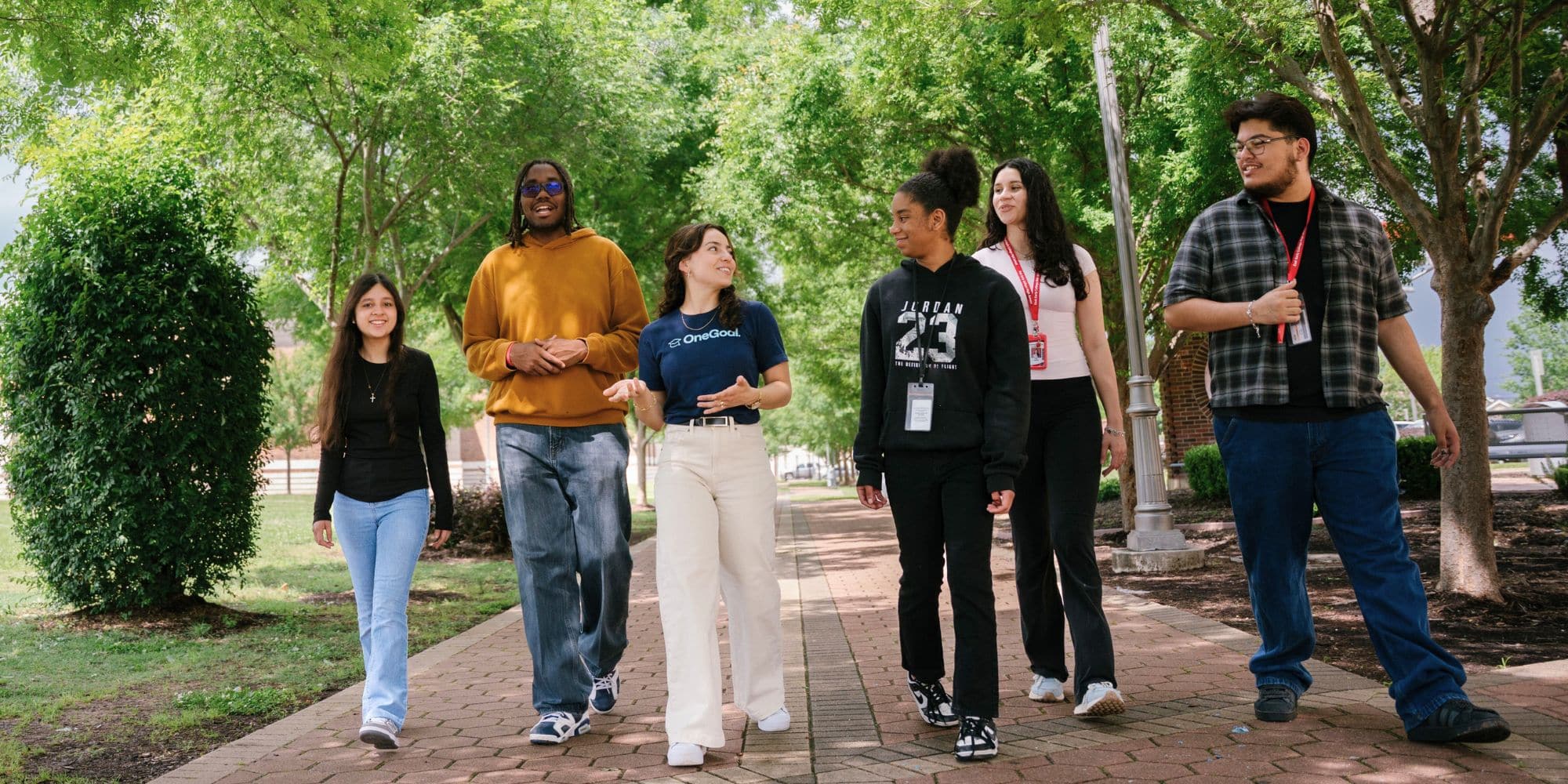
College tours are opportunities for students to visualize their futures, ask critical questions about their potential schools or programs of study, and evaluate their sense of belonging in spaces they may or may not have previously imagined themselves in. For many students, especially those who are the first in their families to go to college, the first tours can be eye-opening and inspiring. In this post, we’ll walk you through how to design and execute an impactful college tour experience, share real-world tips from OneGoal teachers, and offer tools to help you every step of the way.
Steps to Planning a Tour
- Narrow down a school choice with your students. Select a school that meets a lot of the needs and interests of your students.
- Check availability with the school. Most schools have pages on their website where you can plan a visit, whether for group tours, individual visits, or visits for transfer students to meet with academic counselors. Usually, the point of contact will be the Office of Admissions.
- Schedule a day and time, and include how many students will be attending the campus tour.
- Plan for transportation. Usually, this will be through your own school.
- Make sure to follow up and confirm your visit a day or two before.
- Create a checklist for people and areas you want to visit as well as questions on information you want to know. When exploring the campus, you will want to check in with students to gauge their fit for the campus life and culture, and answer any questions they may have for a teacher.
- Identify who you can reach out to if your students have more questions after the tour.

When should you plan tours?
Plan college tours at the most opportune times, which are usually at the end of junior year, the summer before senior year, and the beginning of senior year. Students and parents should take advantage of the flexibility summer offers to visit schools, but visiting a school during the school year while classes are in session is an ideal time to get an understanding of the campus atmosphere to help students imagine themselves as a part of the new community and whether they think it is right for them. Make sure that when you do visit a school, it is an actual tour that you are signing up for, and not just visiting the campus on your own, so you don’t miss out on the important information the tours offer.
Preliminary research before visiting a school
Before visiting a school, students should be able to identify how the school offers something of value or interest to them and their aspirations. Have students identify the academic, professional, and personal interests that they would like to see in a school. This gives students something to look forward to before the visit, but it prepares them to see the values the school can provide for them and their personal and professional aspirations. Whether this is an offered major, a specific medical program, or a sport of interest, there should be something the student sees as a benefit to their time in college. Encourage students to explore a college’s social media presence or find virtual tours that a college might offer while making it clear that nothing you encounter through a screen can replace the experience of actually being in the shared space of a college campus.
When actually on campus
When you are visiting a college campus, you have access to many of the answers to questions you or your students have been asking, so use the opportunity to get those answers straight from the source! Questions could be about the school cafeteria and the type of food they serve, dormitories, or what it is like to be a commuter on campus, and what commuter support the college has.
Whether it is stopping by the Bursar’s office for information, learning what social clubs and extracurriculars the school has, or exploring the area to get a feel of the social scene, what students learn on their school visits can lead to a major decision.

Making Major College Decisions
Keep the big questions in mind. College visits can be a decision-maker or breaker. Though a college visit won’t always lead to the decision that the student wants to attend that specific school, they could help students come to some major conclusions about what they want for themselves, such as:
- Whether they want to attend a school in a big city or a suburban area.
- Whether they would prosper on a large campus or a small one.
- Whether they want to go to a private school over a public one.
- Whether they think living on campus or commuting is the better option for them.
- Whether they should attend a four-year university or a two-year community college.
- Whether they want to attend a school in-state or out-of-state.
Teachers and parents should be reminding students to keep these big questions in mind so students can gauge what they deem best for their success.
Advice from My Seniors
Many of my senior students have visited colleges across the country, and they agree that you should come prepared with questions ready to ask. One of my IB seniors, Stefani, made a clear point that you should direct your questions toward students who actually work and live on campus to get their perspectives.
Another senior of mine, Anthony, who visited the University of Arizona and Milwaukee School of Engineering with his parents, shared, “My experience with visiting colleges was amazing, truly a wonderful experience to see the grounds I will soon walk on. The students should know what their campus will actually be like–the quality of their education, campus life, food, transportation, dorm rooms, and anything of specific relevance to that person.”
Common Questions to Ask
Your tour guides may not be able to give answers to all these questions, but they can direct you to those who can. Here are some useful questions to ask.
College Selection
- Why did you choose this school?
- What do you think are the school’s best features?
- What makes this school/campus unique?
Student Supports
- What percentage of the school is made up of commuters, and are there a lot of supports for commuting students?
- What student organizations, social clubs, and extracurriculars are on campus?
- How are your experiences with staff and faculty in supporting student success?
- What can first-year students look forward to in their first year on campus?
- Are there opportunities for students to sit in on classes to get a deeper knowledge of what they will be encountering if they attend that school?
- How does this school support diversity, inclusion, belonging, and equity?
- How does advising work? Your advisor is usually determined by your major.

Life on Campus
- What do housing options look like?
- How does room and board work for first-year students?
- What dining options are available for students? Usually, there are specific requirements for first-year students.
- Where do most students typically study?
- Could you show me your favorite places on campus?
- What campus events get the biggest turnout each year?
Academics
- What are the strongest academic programs at this school?
- What study abroad opportunities are available at this school?
- What opportunities are there for undergraduate research?
- What is the school’s retention rate from freshman to sophomore year?
Finances
- What is the school’s average financial aid package?
- Are there many funding opportunities on campus?
If a student misses the opportunity to ask any important questions, you can reach out to the admissions office or ask for a contact to reach out with follow-up questions.
Connecting Students
to Receive Accommodations
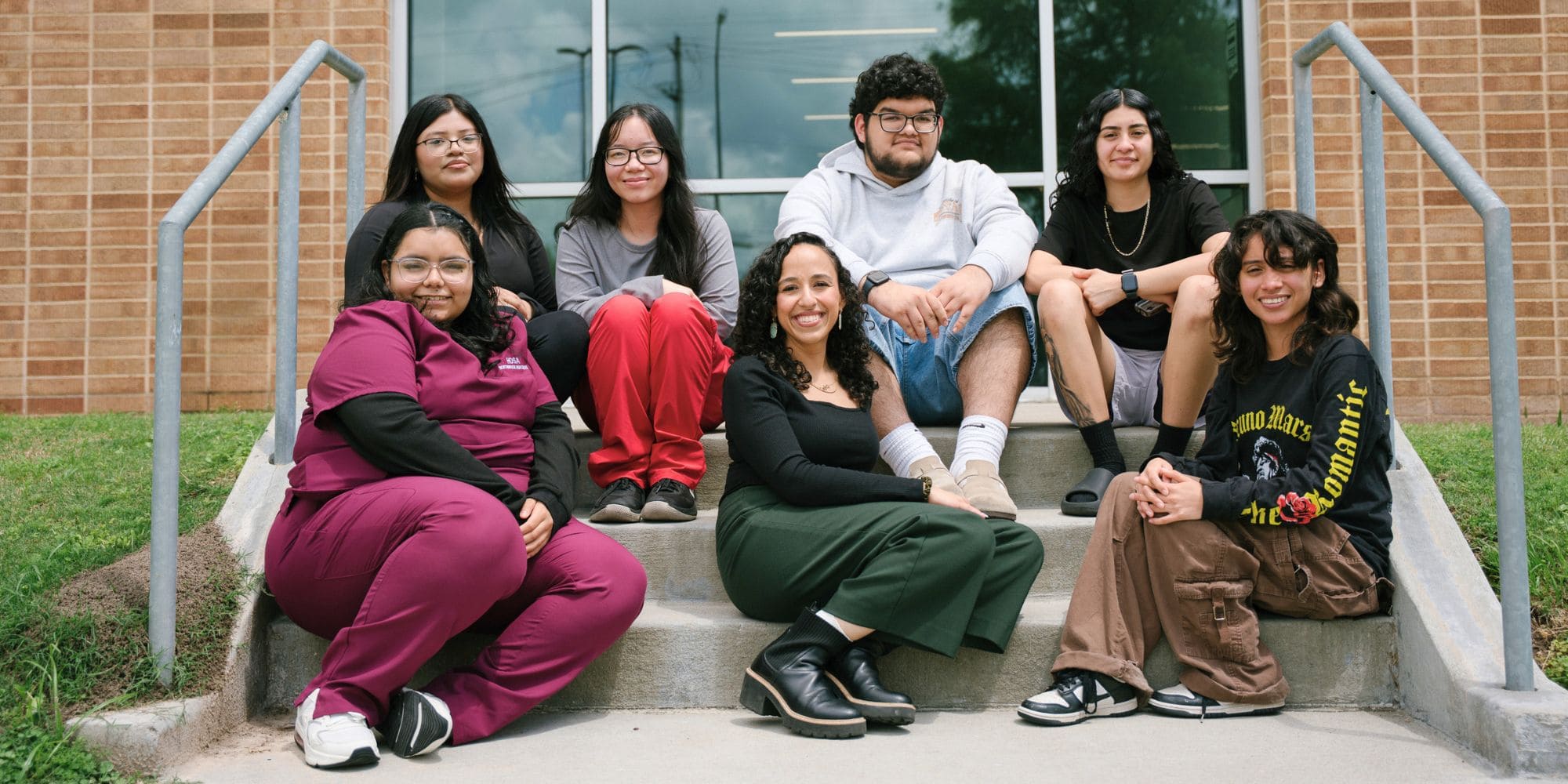
Many students who receive accommodations in high school do not realize they also receive similar accommodations in college. Getting familiar with offices for accessibility/disability services can bring ease and prepare students to know who their contact is for when the academic year starts and how the process of requesting accommodations works. Sometimes, all it takes is getting familiar with the name or the face of a person who will be your go-to contact for all things accommodations-related.
Student Engagement
on College Tours
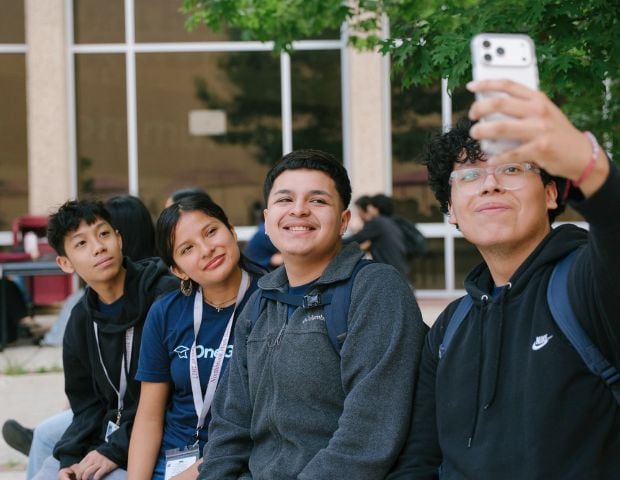
A school’s culture is somewhat like a personality, reflecting the people who make up the community, so it’s essential to understand what this culture feels and looks like. When on campus, have your students pay attention to how the college students interact with each other and faculty, what posters or flyers they see around school buildings, and all of the little things that go into making up the school culture. Encourage your students to interact as much as possible with liaisons or campus tour guides.
While on campus tours, students should spend time imagining where they see themselves belonging. Ask them to consider where they see themselves being their best self, fully prospering in and out of school. Our students will quickly learn to become independent during their time in college, and a major factor in being successful is feeling a sense of belonging. As they do this, parents and guardians are naturally thinking about where they feel comfortable sending their child. Consider things like the school’s scenery, culture, classroom settings, hands-on learning and academic opportunities, student activities, recreational centers, mental and academic supports, campus social life, and faculty-student relationships.
Lastly, while on your campus tour, learn about the nearby community. Is the campus close to a downtown, a shopping area, or green spaces, and is it near accessible public transportation? These amenities and resources are important to know about to support a student’s independence on campus. But above all, does the community surrounding the campus feel safe and welcoming? Combined with the information on academics and activities, this will provide students with a complete picture of how well the college fits with their future path.
Q&A
How can students prepare before they actually arrive on a college campus?
Students should research the school’s academic programs, sports, and clubs ahead of time. Exploring the college’s social media accounts or taking a virtual tour can also help them build a list of things they want to see in person.
Who should students talk to during the tour to get the most honest answers?
Students should ask questions directly to the current college students who work and live on campus. They can provide authentic insights into academics, dorm life, and the campus social scene.
What big decisions can a campus tour help a student make?
A visit helps students decide if they want a big city or a small town, a large or small student body, a public or private institution, and whether they want to commute or live on campus.
How can a campus tour help students who need learning or physical accommodations?
It is the perfect opportunity to visit the office for accessibility and disability services. Meeting the staff face-to-face helps students learn exactly how to request accommodations before the school year starts.
How does a campus visit help students find a sense of belonging?
By physically walking the grounds, eating in the dining halls, and seeing the student spaces, they can truly picture where they will be their best, most successful selves.
David Soto has been a Chicago resident his entire life. From being a Chicago Public Schools student, to attending both Saint Xavier University to the University of Illinois at Chicago, David has always been deeply devoted to Chicago. He is currently teaching high school history in the IB program and is a OneGoal Program Director at Prosser Career Academy. He sponsors and leads the Student Voice Committee at Prosser, which continually inspires him as a community member.

Related Stories

Navigating financial aid award letters can feel like learning a new language. We break down how to calculate the true “gap to graduation” and ensure students choose a college that is both academically and financially sustainable.
Scale your college and career guidance with AI. Learn how school leaders use AI to track milestones and personalize student support.