


We explain financial award letters and offer tips on how students and their families can make more informed decisions about college financing.
Filter By |
How to Plan a Successful Career Fair for Your Students
By Monica Selagea
September 29, 2025
A student’s time in high school plays a critical role in their development as it serves as a foundation for their future. Our job as educators is to commit to guide, support and inspire students in their overall growth that goes beyond the classroom. While academics are undeniably important, exposure to the professional world is a component that we must not ignore. This is where we all come in.
Hosting career fairs can be a powerful opportunity to connect students to a wide range of career possibilities. In today’s fast-changing job market, it’s vital for students to gain early exposure to different industries such as non-traditional pathways, apprenticeships, certificate programs, and more. And a well-organized career fair will do more than just inform students; it will provide them with valuable information and connections in hopes that it will start shaping a student’s future. This blog post will explain the essential steps to successfully plan and organize a career fair that will create meaningful experiences for your students.
Key Takeaways
- Preparation is key – The more structured and organized your career fair is, the more beneficial it will be for students.
- Student engagement matters – Teach students how to interact professionally and make the most of networking opportunities.
- Follow-up leads to long-term impact – Encourage students to build on the connections they make at the career fair.
Before the Career Fair:
Planning & Preparation
A high school career fair is more than just an event, it’s a chance to open doors for students. These fairs introduce students to a plethora of careers, many of which they may never have considered. From hands-on demonstrations to conversations with the professionals, exposing students to unknown industries can lead them to great opportunities. Organizing a career fair requires thoughtful planning, community involvement, and a clear understanding of the students’ needs.
Goals for the Event
Typically, the counseling department at a high school will organize a fair. So, before inviting professionals or setting a date, the team should set goals. Setting thoughtful goals will ensure that the career fair is focused and impactful, and in turn, will create a purposeful experience for the students.
Goals:
- What do you want students to gain from this experience?
- What do you want students to learn about the industries?
- Do you want students to practice networking?
- Do you want students to leave with opportunities, such as apprenticeships or internships?
Clear goals help ensure the event serves the students in a meaningful way. And defining the purpose will set the tone, which will help prepare for the details.
Understanding Student
Needs + Interests
The fair should be student centered, so after setting goals, the next step would be to gather information from the students. We need to understand the students’ interests, skills, and even what they’re curious about. By intentionally focusing on students’ needs, the career fair will be engaging and best benefit all students.
There are several ways to gather information from the students::
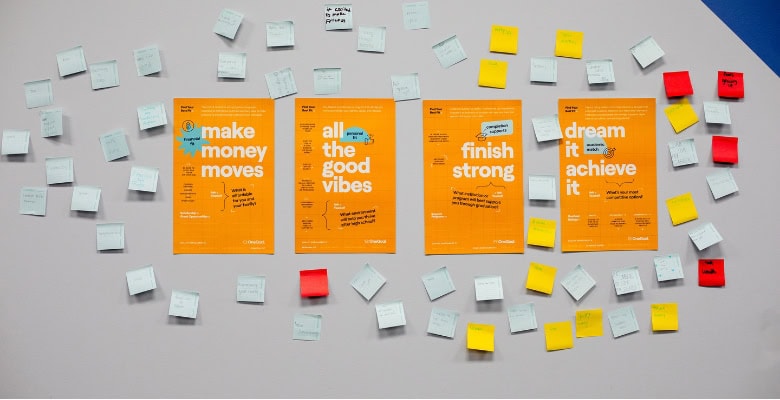
- Student Career Interest Surveys: What careers are they curious about? What industries interest them? What kind of professionals would they like to see? Try BigFuture for student interest surveys!
- Counselor Assistance: School counselors have valuable insight on their students’ aspirations and readiness. They can help to identify student interests and passions that will be beneficial to the fair.
- Classroom Discussions: Homeroom or advisory teachers can have discussions in class that create a space for curiosity or writing reflections on a student’s future plans, starting as early as freshman year.
- Barriers + Equity: Are the students first-generation students? Do they come from low-income households? Is language a barrier? Does the student have an IEP/504 plan? Focusing on equity will ensure that students see themselves at the career fair.
Secure the
Participants + Speakers
Once the goals are set and there’s a clear understanding of the students’ interests, it is time to connect with the right organizations. When reaching out, explain the purpose of the event, what the organization’s role will be, and how it can engage the students in a meaningful way. Will they have demonstrations, Q&As, or will they showcase their work?
Identify + Recruit the Right Participants
- Local Businesses: This could be a mix of large or small businesses, like healthcare, hospitality, technology, retail, and finance, just to name a few.
- Not-for-Profit Organizations: This can highlight community-based work and could potentially offer volunteer opportunities for students.
- Trade Schools + Apprenticeship: This is a great way for students to explore alternatives to college!
- Alumni: Alumni offer real-life proof that students can succeed in a wide variety of careers.
- Military representatives from different branches can offer information on service paths, training, and benefits.
- Entrepreneurs: Students love to connect with self-made business owners.
Logistics: Time,
Space, and Structure
Start planning logistics early:
- Choose the right date and time: Avoid exam periods or days around school breaks. Consider whether a morning, full-day, or rotating schedule works best.
- Secure a venue: School gyms, cafeterias, or multipurpose rooms typically work well. Make sure there’s enough space for booths, walking paths, and crowd flow.
- Create an inviting layout: Consider creating a layout where students have space to visit, reflect, and take pictures. Include a welcome table.
- Provide materials for students: Provide maps, conversation starters, questions to ask, etc., to guide students’ interactions with the guests.
- Size of Fair: Depending on the guest count, you can have a few arrangements:
- Students browse and network freely
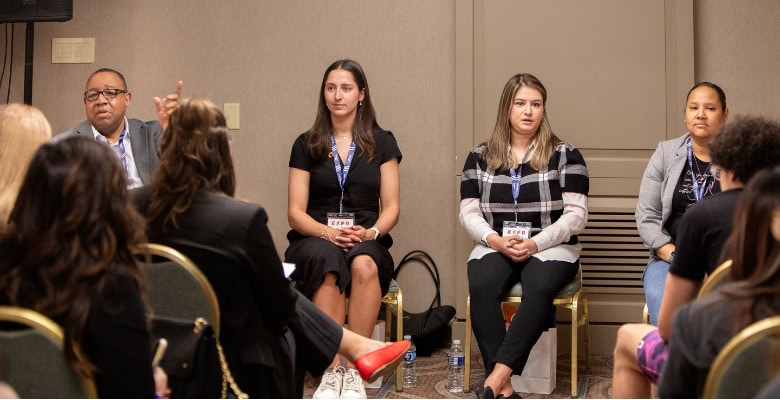
- Participants have roundtable or panel discussions
- Students rotate among professionals
Prepare Students
for the Fair
Preparing the students is just as important as the event itself. When students walk in, they should have a sense of purpose and confidence. They should also be prepared with the industries attending and the professionals that will be attending in advance.
What should students bring to a career fair?
- Copies of their resumes (Canva is a great resume builder!)
- Questions ready to ask the experts
- A list of the guests attending with information about each industry
How OneGoal
Students Prepare
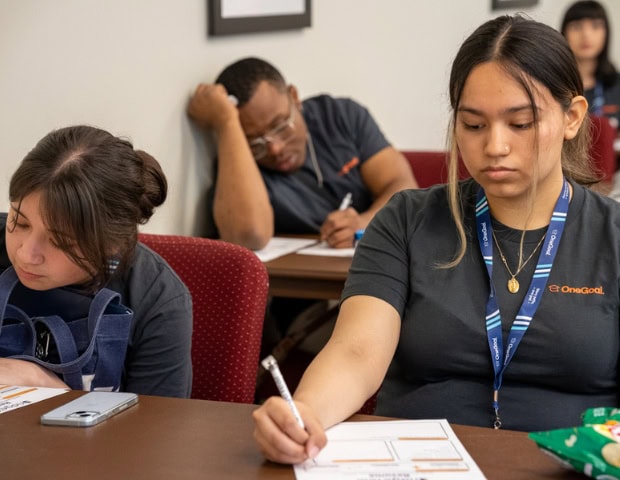
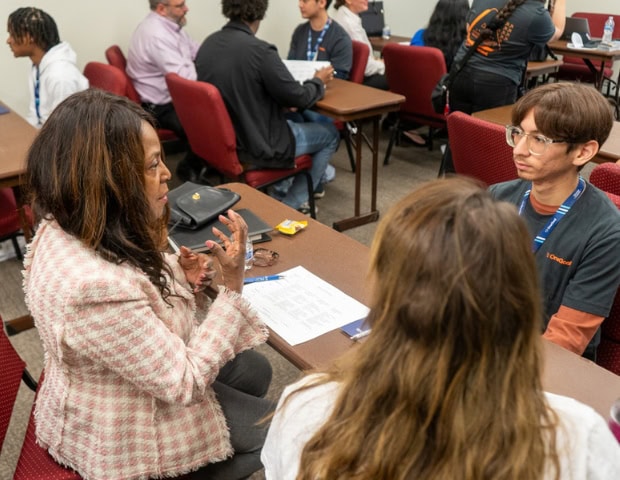
In the OneGoal program, during the students’ senior year, we take a hands-on approach to prepare students for career fairs. At Prosser Career Academy in Chicago, we host two careers fairs. Our preparation begins with essential soft skills, such as communication and professionalism. We also dedicate time for resume building, and we use easy to understand online resume generators to help craft a strong first draft. In the lead up to the event, students prepare three thoughtful questions to ask career experts at the fair, which helps them feel intentional in their conversations. We also cover networking techniques, including how to introduce yourself. After the fair, students take time to reflect on three careers they felt most connected to and we discuss what sparked their interest and passion.
OneGoal Career Fair
at the Palmer House, Chicago, IL
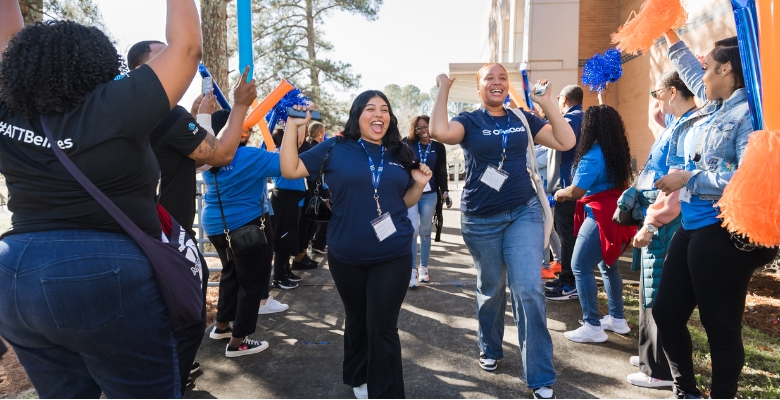
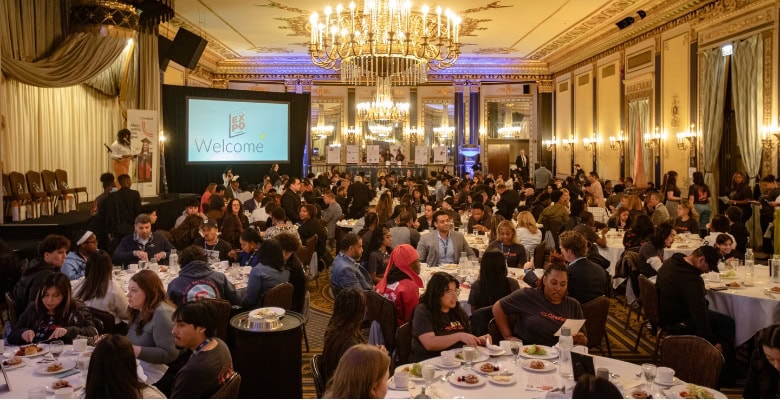
OneGoal in Illinois hosts an inspiring career fair designed to empower students and connect them with professionals from a wide variety of industries. From the thoughtful venue setup to the welcoming food and atmosphere, every detail was carefully planned to ensure students felt valued and supported.
The event featured an incredible lineup of speakers, including one of my students. They shared personal stories, career advice, and words of encouragement. Students sat side-by-side with professionals who listened to their goals, plans and dreams. Students were invited to participate in breakout sessions, offering more focused opportunities to explore specific industries. The fair ended with a fun raffle giveaway, sending students home with prizes! This career fair wasn’t just about exploring jobs; it was about forming connections and networking with purpose. The students felt seen, heard, and appreciated.
During the Career Fair:
Engaging Students & Employers
This is the moment when all the planning comes to life! The energy of the career fair begins when the students walk through the door. How you welcome and guide them sets the tone for the event. Set up guests with coffee and treats to ensure they are also very much appreciated for offering their time.
Set up a welcome table with:
- Event programs or maps of the fair layout
- A passport or scavenger hunt so students can keep track of the booths they visit
- A list of the guests and careers
- Name tags for students and visitors
- Conversation starter or questions to ask
- QR Code with an exit survey for students
After the Career Fair:
Reflection + Next Steps
Some of the most meaningful learning happens after the event, when students have time to reflect and follow up.
Networking + Follow-Up Resources
Networking is crucial for students because it opens doors to opportunities that grades alone can’t provide. By connecting with professionals, students can gain access to internships, mentorships, and valuable career advice that helps them understand what employers really look for. Encourage students to collect business cards or contact information from the professionals.
Here are some ideas on how to engage with students after a career fair:
- Have Group Discussions: Whether you are a counselor or teacher, hold small group discussions where students share their favorite parts, discoveries, or any interests from the fair.
- Give Out Reflection Sheets: Ask questions for students to answer. You can use a QR Code or a Google Form.
- Journaling: Ask students to journal and reflect on their experience
- Thank You Emails: Have students draft thank you emails to the professionals they met.
- Complete Surveys or Polls: This feedback will be valuable to improve the next career fair.
Opening Doors
to Possibility
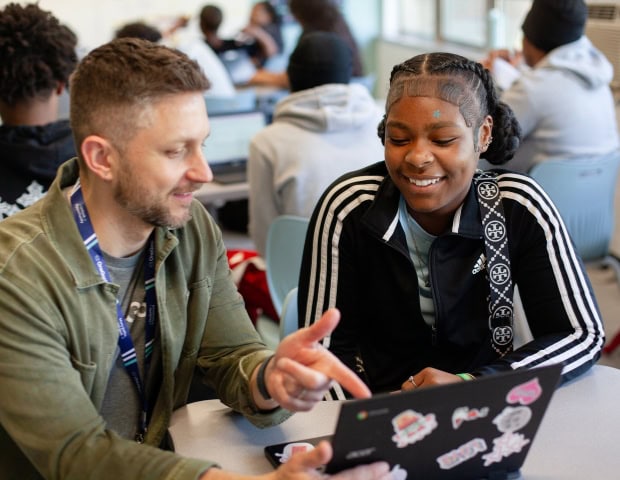
Career fairs are powerful experiences that connect education with the professional world. For high school students, fairs open windows to new possibilities, provide opportunities for self discovery, and serve as an important stepping stone toward a future that matches their passions and goals.
Q&A
How do I find the right businesses and organizations to participate?
- Ask colleagues! Send an email with a Google form for expressing interest.
- Start with local businesses.
- Reach out to alumni—they would love to come back and visit!
mentor, but about building a support network over time.
What if my school has limited resources for an in-person career fair?
- Host the event online.
- Start with small groups.
- Invite guests to speak in classes.
How can I ensure students take the event seriously and engage with professionals?
- This is ideal, but there is no guarantee that all students will take it seriously. However, begin the conversation in class. Prepare them with questions and provide them with the tools they need to be confident. And have your students take interest surveys in advance.
- You can offer a grade or small incentives for their participation.
What are some creative ways to make career fairs more interactive?
- Invite guests that can display their work or offer a hands on, more interactive presentation.
- Make a themed career fair, such as creative arts or medical themed.
- Have a photo booth or opportunities for students to share on social media.
Monica Selagea grew up in Chicago and attended Columbia College in Chicago and DePaul University. She is currently a high school teacher in Chicago and a Program Director for OneGoal. She also teaches at the City Colleges of Chicago.

Related Stories
Explore strategies to help stopout students as they navigate returning to college. We examine the barriers to completion and hear students’ stories of persistence.
Explore factors for advising students on college choices and how our quality enrollment framework supports them in finding a postsecondary fit.